

Methane MRV + Feed Efficiency
Feed Efficiency.
Verified Methane.
Every Animal.
The Seismi Methane Sensor is a nose-mounted appliance — similar in form to a cattle weaning ring — that continuously detects methane and CO₂ from each animal's exhaled breath. Together, those signals produce individual-animal feed efficiency — instant ROI, no dependency on carbon markets — plus audit-ready methane reduction records for carbon programs and low-carbon beef premiums.
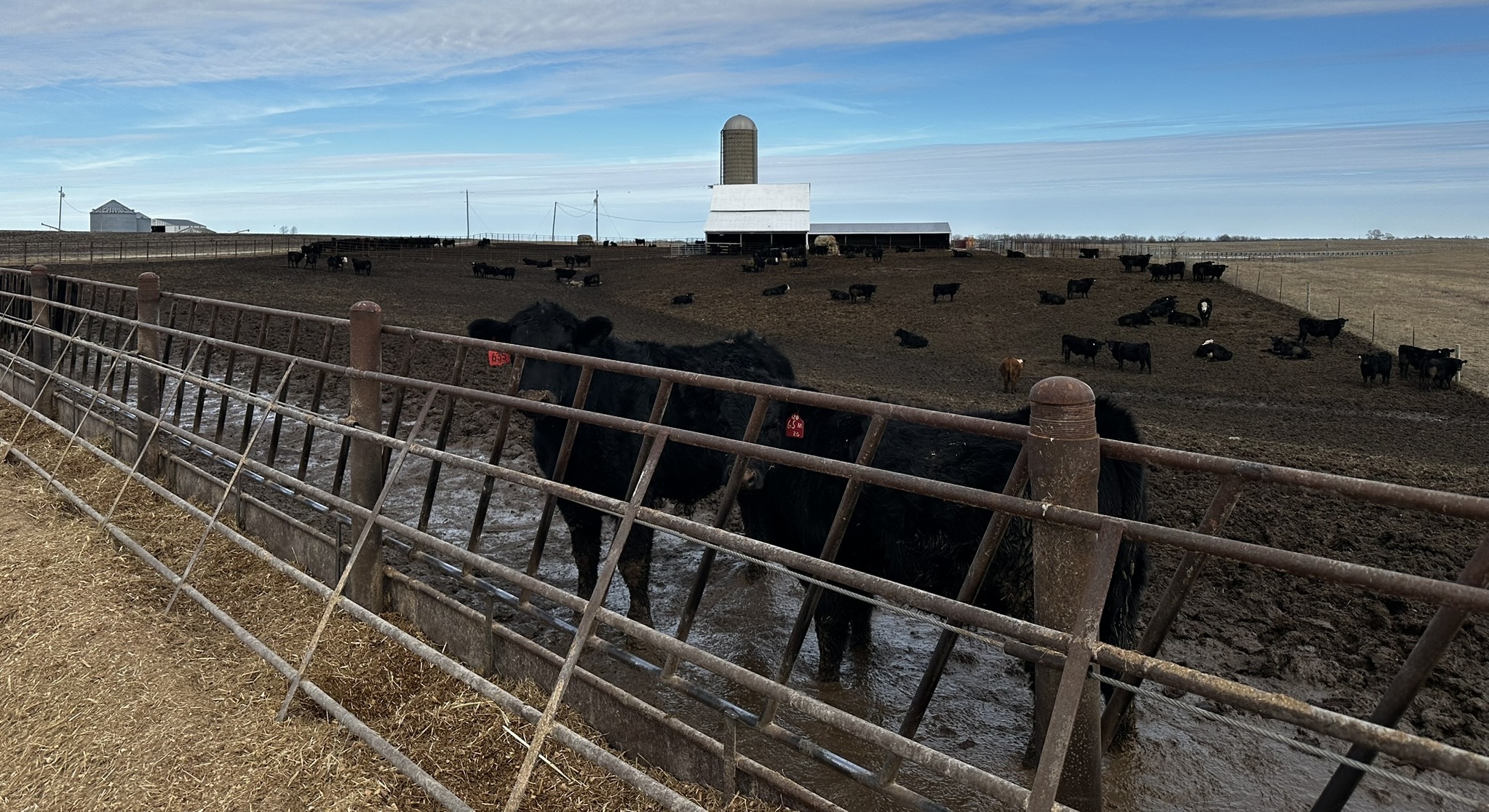
The Measurement Gap
Margins Live or Die
on Individual Animals.
Feed is roughly 70% of the cost of producing a finished animal, and feed efficiency — how many pounds of feed go into each pound of gain — is the single largest lever a feedlot has to protect margin. Today, feed efficiency is calculated at the pen level, averaging across dozens of animals with very different physiology. The best converters disappear into the average. The worst go undetected.
At the same time, operators facing pressure to reduce and verify methane emissions run into a parallel challenge. Accurate per-animal measurement has historically required lab-grade instruments no commercial feedlot can deploy at scale. Statistical models that infer emissions from feed data don't meet the evidentiary bar carbon programs and premium beef buyers expect.
Seismi closes both gaps with a single nose-mounted sensor. Continuous methane and CO₂ capture from each animal's breath — producing daily feed efficiency for operating decisions, and audit-ready methane reduction records for carbon credits and low-carbon beef premiums.
What Seismi Adds
- Individual-animal feed efficiency, not pen averages
- Per-animal methane measurement, not modeled estimates
- Familiar nose-ring form factor — fitted at intake the same way a weaning ring would be
- Instant ROI from feed efficiency — no dependency on carbon markets
- Audit-ready reports aligned to major carbon program methodologies
- Verification data tied to individual animal identity and feed protocol
Workflow
Measure. Calculate.
Report.
Fit at Intake
The Methane Sensor is a nose-mounted appliance — similar in form factor to a cattle weaning ring — fitted to each animal during standard chute processing. Familiar to any cow-calf or feedlot crew.
Continuous Measurement
Methane and CO₂ exhaled from each animal are captured continuously throughout the feeding period — measured directly from the breath stream, not sampled, not inferred from feed ration.
Per-Animal Analytics
Gas readings combine with feed intake and gain data to calculate individual-animal feed efficiency and methane reductions — indexed against animal identity and feed protocol.
Dual Outputs
Daily feed efficiency dashboards for operating decisions, plus audit-ready methane reduction records for carbon credit programs and low-carbon beef buyers.
Core Capabilities
One Sensor. Two Value Streams.
Per-Animal Gas Measurement
Continuous methane and CO₂ capture from individual animals — the physiological foundation for both feed efficiency calculations and verified methane reductions.
Individual-Animal Feed Efficiency
Gas output combined with feed intake and gain data yields per-animal feed conversion — the single biggest margin lever in the feedlot. Instant ROI, realized independent of carbon markets.
Verified Methane Reductions
Structured outputs aligned to Verra, Gold Standard, and the American Carbon Registry methodologies. Audit trail maintained at the individual-animal level across the feeding period.
Same Platform as Cattle Sensor
Sold as a standalone device with its own pricing and subscription. Shares Seismi's animal identity system and cloud analytics with the Cattle Sensor — deploy the two together for unified BRD + feed efficiency + methane insights, or run the Methane Sensor standalone.
Under the Hood
Two Sensors. One Platform.
The Methane Sensor and the Cattle Sensor are separate devices — one nose-mounted for breath analysis, one ear-tag for vital signs — but both feed the same Seismi cloud platform. Deploy either standalone, or both for the complete picture: BRD detection, feed efficiency, and verified methane reduction across every animal.
Two Value Streams.
One Sensor.
The Seismi Methane Sensor is in active development with research partners. Feedlot operators interested in joining the next pilot cohort — or supply chain buyers evaluating low-carbon beef programs — should reach out.